

**Sanandaj Archaeological Museum — A Treasure of History in a Qajar‑Era Mansion**
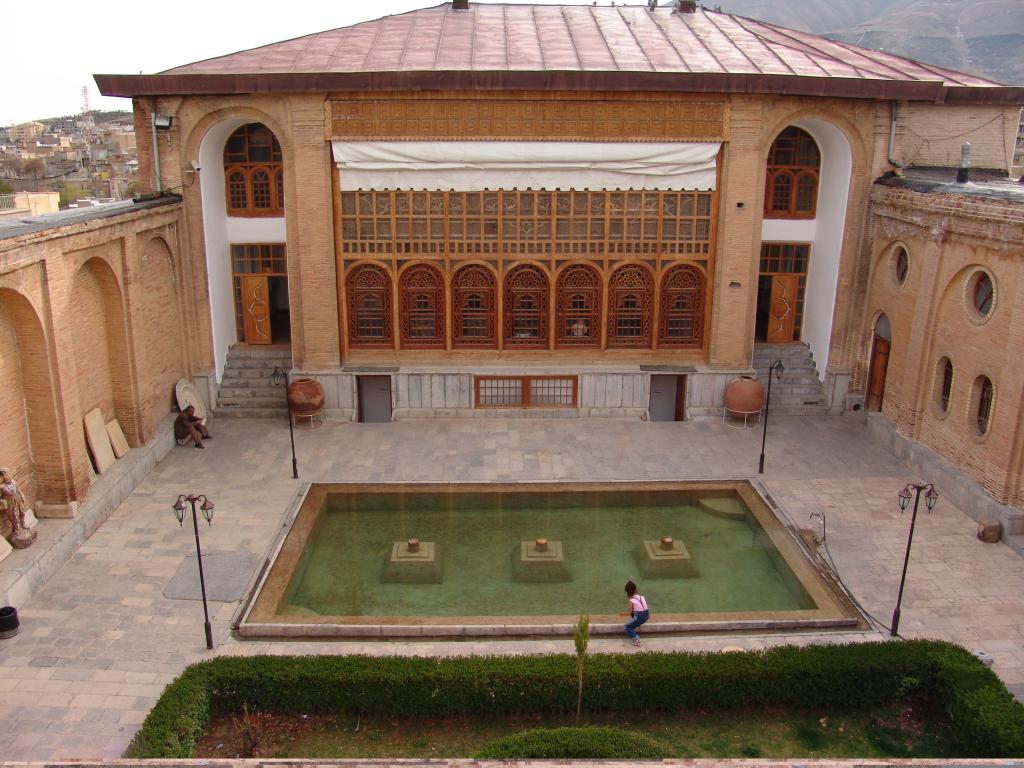
This museum is housed in one of the **Qajar‑period historic buildings** located on the outskirts of Sanandaj, known as the **Salar Saeed House**. The mansion was constructed around **150 years ago** during the reign of **Naser al‑Din Shah Qajar**, through the efforts of **Molla Lotfollah Sheikh‑ol‑Eslam**, who served as the chief judge (*Qazi‑ol‑Qozat*) of Kurdistan.
The building features two main sections—**the courtyard area** and **the inner residential quarters**. Its exterior, with a spacious courtyard, ceremonial hall, basement, and traditional pool house (*howz‑khaneh*), immerses visitors in a vivid historical atmosphere. In **1975 (1354 SH)**, the mansion was converted into a museum, today divided into two main parts: **History** and **Archaeology**.
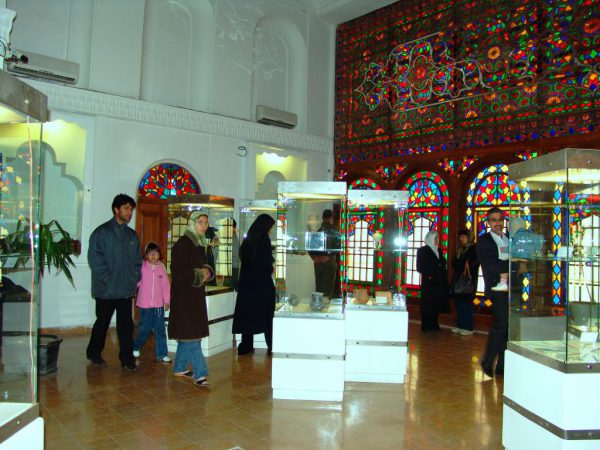
The **first floor**, adorned with elegant stucco work, mirror decorations, and the distinctive **seven‑door architectural style**, showcases artifacts from Iran’s history **spanning pre‑historic times up to the late Sasanian era**. Among its most notable pieces are antiquities from the **Median and Mannaean periods**, as well as remarkable findings from the **Ziwiyeh Hill** and **Karaftu Cave**, brought to light through modern excavations. Other artifacts displayed on this level date back to the **Parthian and Sasanian periods** and even to the **first millennium BCE**.
The **second floor** focuses on the **Islamic periods**, from the emergence of Islam to the **Qajar dynasty**, featuring richly decorated rooms and verandas. This section presents an exquisite collection of **6th‑ and 7th‑century AH ceramics**, discovered in various parts of Iran—including **Kurdistan, Rey, and Nishapur**—illustrating the artistic and cultural evolution of Islamic Iran across centuries.